Proudly Serving
Granger,IN & Surrounding Areas

Flexible Financing
Apply Online

Available 24/7
(574) 633-4557
Proudly Serving
Granger,IN & Surrounding Areas
Flexible Financing
Apply Online
Available 24/7
(574) 633-4557
Carbon monoxide awareness is something every homeowner should have, especially during the heating season. As an odorless and colorless gas, CO requires us to be proactive about detection and prevention rather than relying on our senses to alert us to a problem.
This guide is meant to be a helpful resource for families across Granger, Mishawaka, South Bend, Elkhart, and the surrounding communities. We'll walk through what carbon monoxide is, how it can affect health, and the straightforward steps you can take to protect your household.
Carbon monoxide (CO) is a gas produced whenever fuels like natural gas, propane, oil, or wood burn. In your home, common sources include furnaces, water heaters, gas stoves, fireplaces, and space heaters. Under normal circumstances, these appliances vent combustion gases safely outside through flues and chimneys.
Problems can arise when equipment malfunctions, venting becomes blocked, or appliances aren't properly maintained. A cracked heat exchanger in a furnace, a blocked chimney flue, or inadequate ventilation can all allow CO to accumulate indoors. This is why regular maintenance and working detectors are so important—they provide the early warning that the gas itself cannot give us.
One of the challenges with carbon monoxide is that its symptoms can resemble other common illnesses, which sometimes leads to delayed recognition. Being familiar with these signs can help you respond appropriately if exposure occurs.
Common symptoms include:
A helpful indicator to be aware of: if symptoms improve when you leave the house and return when you come back, or if multiple family members experience similar symptoms at the same time, it's worth investigating whether CO could be a factor. Infants, elderly family members, and those with heart or respiratory conditions may be more sensitive to exposure.
Carbon monoxide affects the body by binding to hemoglobin in the blood more readily than oxygen does. This reduces the amount of oxygen that reaches your organs and tissues. The severity of health effects depends on the concentration of CO and the duration of exposure.
Short-term exposure at lower levels typically results in the flu-like symptoms mentioned above, which generally resolve once a person is removed from the exposure and given fresh air. Higher concentrations or prolonged exposure can lead to more serious effects, including loss of consciousness.
In some cases, people who have experienced significant CO exposure may develop delayed symptoms days or weeks later, even after initially feeling better. These can include difficulty with memory or concentration. This is one reason why medical evaluation is recommended after any known CO exposure, even if you feel fine afterward.
The good news is that with proper prevention measures, the vast majority of CO incidents are avoidable.
Taking care of your home's CO safety doesn't require specialized knowledge. Here are the steps we recommend for every household:
Having a plan in place ahead of time helps everyone respond calmly. If your carbon monoxide detector alarms:
It's better to respond to a detector alarm and find out it was a false alarm than to ignore it. These devices are designed to alert you before CO reaches dangerous levels.
At Cavinder, we believe that maintaining your heating equipment is one of the most practical things you can do for your family's wellbeing. During our furnace tune-ups, our technicians check for the conditions that can lead to CO problems: we inspect heat exchangers for cracks, verify that flues and venting are clear and functioning properly, and confirm that combustion is occurring as it should.
If we find something that needs attention, we'll explain what we found and discuss your options. We're not in the business of creating unnecessary worry or pushing services you don't need. We're here to give you accurate information so you can make good decisions for your home.
We're also happy to answer questions about CO detector placement or help you understand what to look for in a quality detector. Sometimes the simple stuff makes the biggest difference.
Carbon monoxide safety comes down to a few consistent habits: maintaining your equipment, keeping working detectors in place, and knowing how to respond if an alarm sounds. These aren't complicated steps, but they're meaningful ones.
Your home should be a place where your family can rest easy. We're glad to be part of helping make that possible for families throughout Northern Indiana.
If it's been a while since your heating system was checked, or if you have questions about CO safety in your home, we're here to help. Cavinder Mechanical serves Granger, South Bend, Mishawaka, Elkhart, and communities throughout Northern Indiana. Give us a call at (574) 633-4557 or schedule online.
Call us: (574) 633-4557
Book online: Schedule an appointment
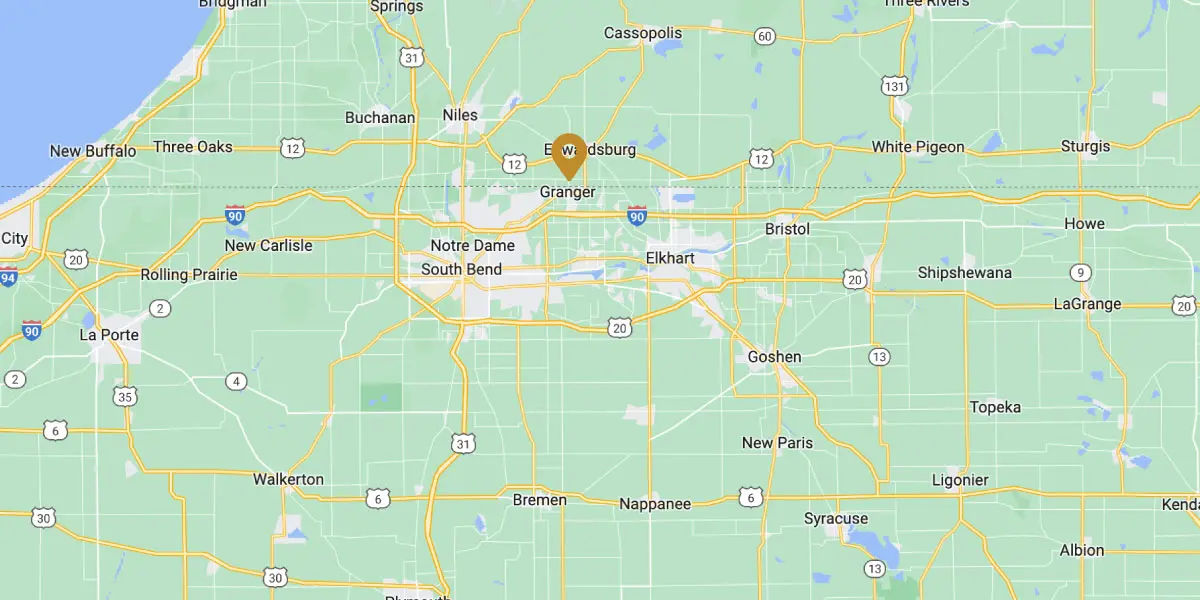
Service areas: South Bend, Granger, Mishawaka, Elkhart, and surrounding Northern Indiana communities
Cavinder Plumbing, Heating and Cooling – Serving Northern Indiana with trusted plumbing, heating, and cooling services since 1999.

©Red Barn Media Group 2026 · About · Reviews · Privacy Policy