Sump Pump Season: Spring Melt and Storm Prep for Michiana Basements

Published April 14, 2026 - Cavinder Plumbing, Heating and Cooling - Granger, IN

Lake-effect snow spent the winter piling up. Now it's melting. Then April brings the thunderstorms. For homeowners in low-lying parts of Mishawaka, South Bend, and along the St. Joseph River, that combination is why April is the busiest month for sump pump service calls. Here's what our plumbing crew wants you to check before the next heavy rain.


Test Your Sump Pump in 30 Seconds

  1. Take the lid off the sump pit.
  2. Slowly pour a 5-gallon bucket of water into the pit.
  3. Watch the float rise and listen for the pump to kick on.
  4. Confirm the water level drops and the pump shuts off at the correct cut-off height.
  5. Check the discharge point outside - water should exit the pipe away from the foundation.

If the pump doesn't start, runs continuously, or makes a grinding noise, call us before the next storm. If the discharge pipe drains back toward the house, frost-heave has probably damaged it over winter.


Why Mishawaka and South Bend Homes Run Sump Pumps Harder

  • St. Joseph River flood plain. Battell Park, Twin Branch, Normain Heights, Edison Park, and River Park sit at elevations that fill with groundwater during spring melt.
  • Heavy clay soil. Clay holds water at the surface instead of percolating. Foundation drains work overtime.
  • Older drain tile. Pre-1970 homes often have clay-tile or fiber perimeter drain that has partially collapsed, dumping more water into the sump pit than the pump is sized for.
  • Gutter downspouts too close. Downspouts that drop within 6 feet of the foundation flood the footing drain every rain event.

When to Replace vs. Repair

Sump pumps typically last 7 to 10 years. Replace (don't repair) if:

  • The pump is over 8 years old
  • It's run continuously for days during a wet spring
  • It's making grinding or bearing noise
  • The motor is overheating and tripping the thermal cutoff
  • The impeller is clogged with iron-ochre buildup (orange slime common in Michiana groundwater)

Battery Backup is Non-Negotiable for At-Risk Homes

If you lose power, the sump pump stops. In severe-storm-prone neighborhoods, power outages and heaviest rainfall tend to happen at the same time. Cavinder installs two backup options:

  • Battery backup sump pump. Deep-cycle marine battery drives a secondary pump when power fails. Typical runtime: 8 to 12 hours of continuous pumping.
  • Water-powered backup. Uses municipal water pressure to create suction and evacuate the pit. No battery to maintain, but requires a pressurized municipal water supply (not available on well-water homes).

Before-the-Storm Checklist

  • Test the primary pump with a bucket of water (once per month in spring)
  • Clean debris from the sump pit screen
  • Verify the discharge pipe is clear of the house and draining
  • Confirm the battery backup battery is less than 3 years old and holding charge
  • Check the check valve on the discharge line (a failed check valve causes the pump to short-cycle as water drops back in)
  • Install a water alarm in the basement if you don't have one

Emergency Sump Pump Service

If water is rising in the pit, don't wait. Call (574) 633-4557. Our 24/7 emergency dispatch runs from three Michiana offices (Granger, Mishawaka, South Bend) with sump pumps and battery backups stocked on the trucks.

For scheduled replacement or battery-backup installation, request a quote online. Sump pump work is covered under our Mishawaka plumbing and South Bend plumbing service pages.

Contact Us

Our Service Areas
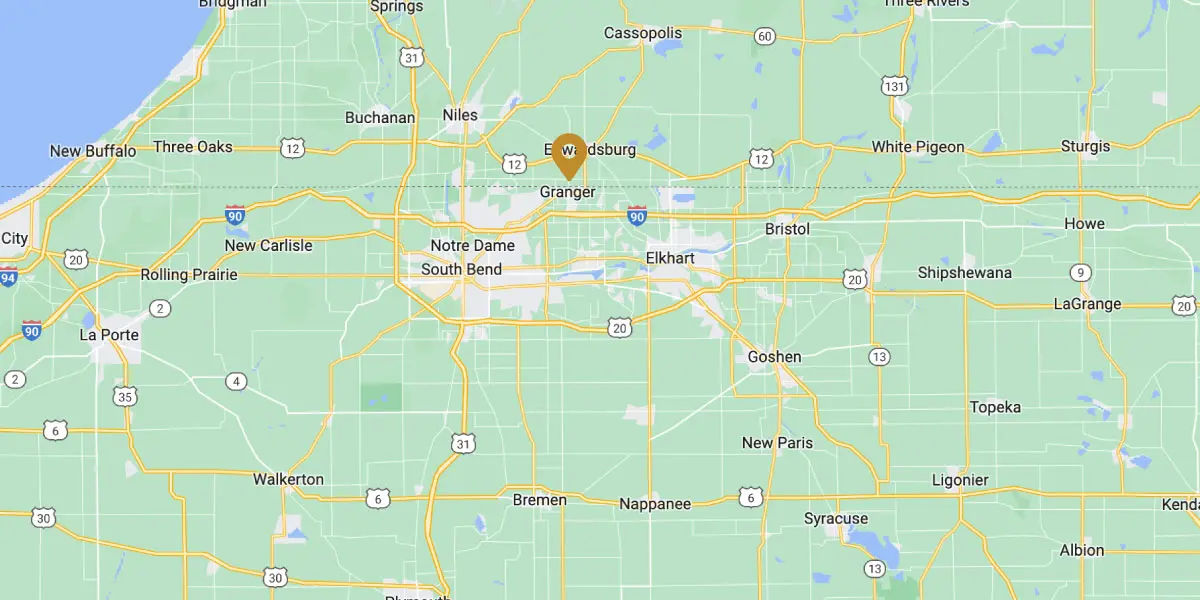
We're Your Granger Indiana HVAC & Plumbing Experts

Cavinder Plumbing, Heating and Cooling Granger, IN Service Area Cavinder Plumbing, Heating and Cooling Granger, IN Service Area Cavinder Plumbing, Heating and Cooling Granger, IN Service Area Cavinder Plumbing, Heating and Cooling Granger, IN Service Area

©Red Barn Media Group 2026 · Privacy Policy